Category: Uncategorized

  • Luxury Valley Dream Edit Shop Now own the streets

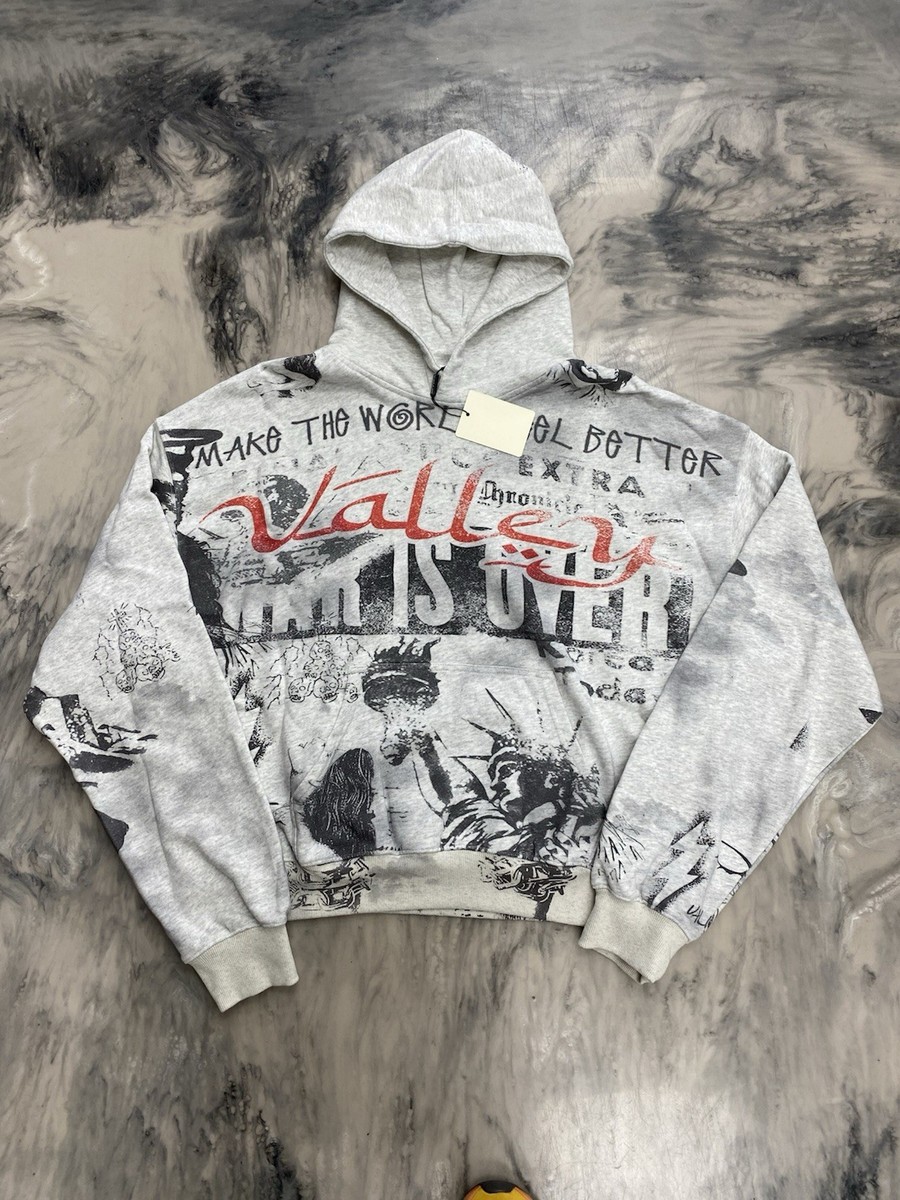
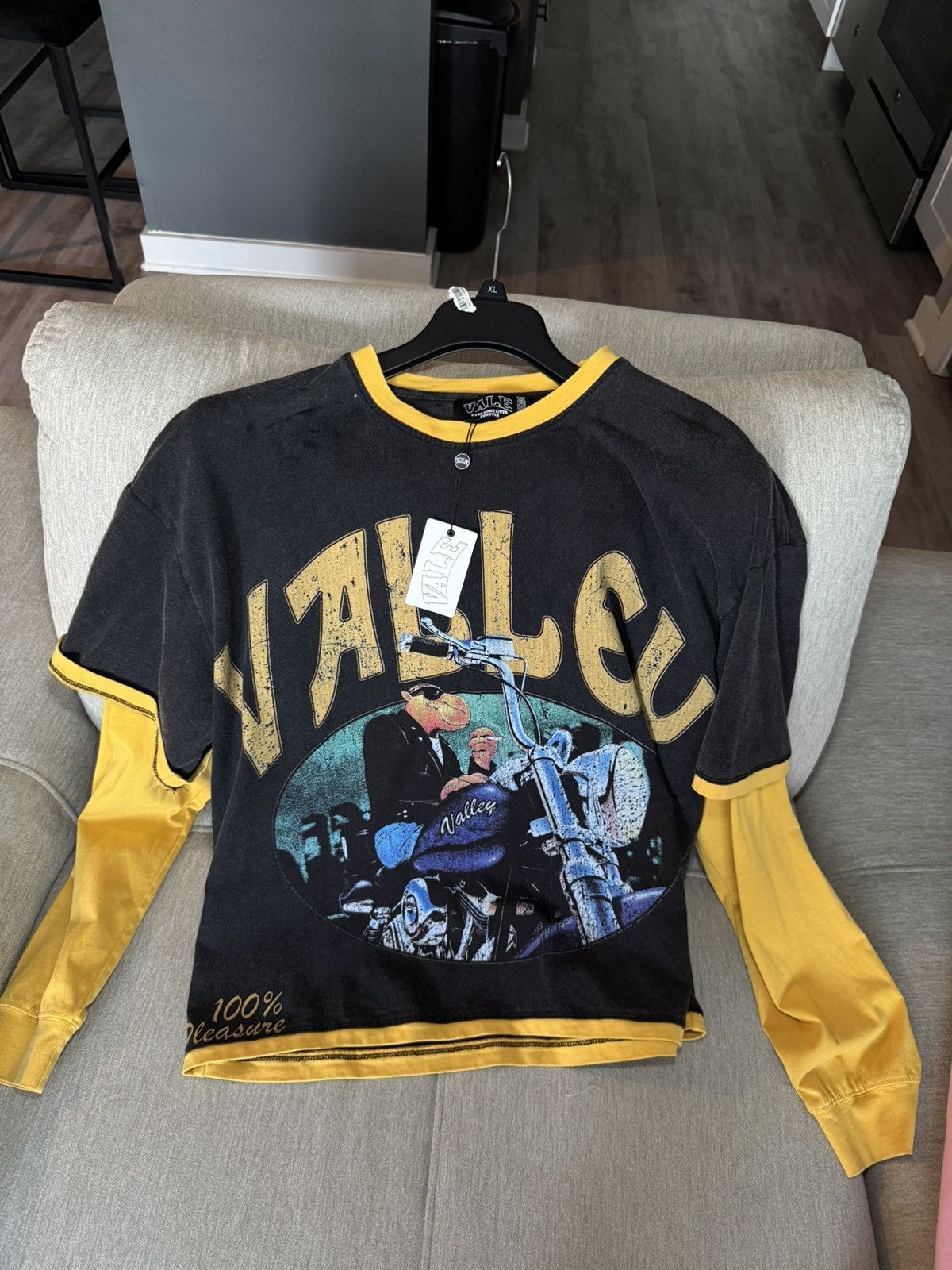
    Vale Sweatshirt 2026 Buyer’s Manual: Fit, Materials, Launches, Authenticity, Pricing

    This guide gives you the precise frameworks to select the right fit, fabric, and launch strategy for your Vale Hoodie for 2026, plus a clean authenticity plus pricing checklist. This focus is hands-on: how the piece should sit across body, how this textile behaves, the way drops are structured, and what fair value looks comparable to in the current market.

    What type of person is this handbook for?

    Buyers weighing their first Vale Forever hoodie and refining a rotation with an eye for fit correctness, fabric performance, plus long-term value will get utility from this. If they prefer timeless silhouettes, premium hand-feel, and limited drops above trend-chasing, this is written to your criteria.

    Vale Forever Forever sits where boutique craftsmanship intersects urban minimalism, thus choices hinge upon nuance: how much drape you want, whether you choose brushed warmth versus terry breathability, how to move rapidly during drops without compromising verification, and when a secondary price is yet rational. The next sections translate this nuance into systematic decisions rather instead of abstract style recommendations.

    Understanding the Vale Forever Identity: silhouette and construction

    Anticipate clean lines, muted palettes, and one intentionally oversized silhouette that reads casual yet refined rather than sloppy. The design language prefers timelessness over graphics-heavy statements, with substantial knits and thoughtful construction doing the majority of the communication.

    Silhouette-wise, Vale Forever hoodies typically show a boxier midsection, longer and wider ribbing to anchor the hem plus cuffs, and a generous hood which frames the face without collapsing. This minimalism is deliberate: the proportion, paneling, and fabric texture make the piece feel premium during motion. This character rewards careful size choice, since even half a size swing can shift this vibe from tailored drape to balloon. Because the label leans into thoughtful fashion principles with limited runs, construction touchpoints like stitch density, knit integrity, and consistent pigment depth matter as much as the logo.

    What fit ought you actually buy in 2026?

    Choose true-to-size if you want the Vale signature loose-structured look, size smaller by one if you prefer cleaner shoulders and shorter hem, and size up only if they plan to wear layers over thicker mid-layers or want an exaggerated street profile. The goal is controlled volume, not excess bulk.

    Start by determining on your silhouette outcome: neat-relaxed for everyday wear, versus bold-relaxed for a statement. If Valley Wears you hover between sizes, use your shoulder measurement width and trunk length as final considerations rather than simply chest circumference; your shoulder seam and raglan drape controls presence more compared to chest room. Think about your footwear plus bottoms: wide bottoms and chunky footwear can handle additional hoodie volume, while tapered denim or slim cargos pair better with one truer fit. Consider about sleeve layering too; longer ribbed cuffs can manage a slight loose fit without looking sloppy. If you wear a tee and flannel beneath, 1 size up remains justified; if they wear just one tee, stick at true-to-size for the cleanest read.

    One measurement workflow that removes guesswork

    Anchor your size choice by measuring a hoodie you already enjoy for fit, next match those measurements to the item’s posted specs or request them through support before ordering. Chest width, rear length, and sleeve outseam are your three non-negotiables.

    Place your reference sweatshirt flat and measure pit-to-pit across your chest, center spine from the collar seam to bottom, and shoulder-to-cuff along the outside. Account for rib stretch; substantial ribbing relaxes following a few washes, so a slightly snug cuff fit can be acceptable. Compare the measurements to the listed garment measurements; prioritize chest and size, since sleeve measurement has more tolerance via stacking. If measurements aren’t available, ask for them or compare on-body shots to models with stated dimensions and size as a relative reference. Account for washing behavior: high-gsm cotton can tighten slightly on the opening wash if never pre-shrunk, so build a 1 to 2 percent shrink allowance unless the product page indicates pre-washed or pre-processed.

    Materials decoded: textile, terry, dye, plus hardware

    Most premium hoodies sit among heavyweight cotton knits, usually brushed fabric for warmth or loopback French breathable knit for breathability and drape. Dye processes shape color saturation and hand-feel, whereas trims and seam choices influence longevity and comfort.

    Brushed fleece features a soft, fluffy interior created via raising the loops; it traps air for warmth and feels instantly cozy. French terry features unbrushed loops along the inside, flows better, and maintains a slightly sharper silhouette with less internal fluff. Material weight, expressed using gsm, informs both warmth and shape; heavyweight streetwear typically lives between roughly 430 and five hundred gsm, while mid-range weights hover lower. Dyeing impacts character: item dye typically produces richer depth and subtle tonal variation, pigment dye appears lived-in from day one, and single dye maintains neater uniformity. Stitching plus construction matter: doubled seams at stress points, tidy cover-stitch lines, and clean neck taping boost long-term wear. Metal components on drawcords and eyelets should appear solid, with neat finish and zero burrs, while ties should move smoothly without fraying.

    Warmth, drape, plus durability: how fabric weight changes wear

    Heavier gsm increases warmth and structure, medium builds balance year-round use and mobility, and lighter builds prioritize breathability and faster break-in. Pick weight based on environment and how you layer, not simply perceived quality.

    Thicker knits deliver shaped drape and visual presence, which works with Vale’s oversized ethos; they additionally resist wind more successfully but can feel hot indoors. Medium weights flex across seasons and play well under outerwear while not creating bulk at the armscye. Loop-back terry in the mid-to-high range offers the best from both worlds within cities with shoulder seasons. If you run warm or want more movement at the joints, move down one weight class and rely on layering. For longevity, concentrate at knit tightness and pilling prevention rather than gsm alone; a tightly knit 420 gsm terry can outlast a looser 480 gsm fleece within high-friction zones.

    Textile/Design Typical GSM Band Key Strength Optimal Use Wash/Wear Behavior
    Soft Fleece (Heavy) 430–500 Warmth and plush softness Cool weather, statement silhouette Small first-wash tighten; becomes softer with wear
    Classic Terry (Mid–Heavy) 380-470 Airflow and structure Year-round, layering under outerwear Stable; loops relax a bit without bagging
    Garment-Dyed Cotton Changes by knit Hue depth and aged tonality Tonal wardrobes, muted palettes Little shrink if pre-washed; color will age
    Applied-Dye Cotton Varies by knit Lived-in look from day one Easy, textured fits Mellows and lightens at seams over use

    Drop mechanics in 2026: where and how releases take place

    Vale runs limited releases announced through verified channels, with inventory that moves rapidly and rarely refills immediately, so preparation beats speed while checkout. Expect alerts on social plus email, with merchandise pages going online at posted moments.

    The brand’s slow fashion position means tighter runs rather than ongoing restock cycles. Monitor the official website and the company’s verified social profiles for drop periods and lookbooks. Build a simple setup routine: make one account in advance, save your shipping info and payment details, and log on ten minutes before the drop. Use one device with a stable network to reduce problems during anti-bot verification. If a release features multiple colorways, rank your preferences ahead of release to avoid confusion in-cart. Post-drop, sign up for restock notifications where available, but don’t rely on immediate refills. Keep an watch on archive and capsule announcements; limited capsules can land mid-season without fanfare beyond a quick teaser window.

    Authenticity protocol: confirming a Vale sweatshirt without guesswork

    Authenticate by source first, then through product details, next by consistency throughout season identifiers; never rely on one single tell. Authorized storefronts and authenticated social links remain your primary safety anchors.

    Open with the seller. The official store and any linked retailers from the brand’s verified accounts are the most secure paths. If buying secondhand, require detailed photos of both front, back, inner tags, and detailed shots of stitching, ribbing, and drawcords. Check the hangtag plus internal care tag information aligns across fiber content plus washing instructions, while ensuring that typography remains crisp and consistent. Inspect stitching density and cleanliness across the kangaroo pocket, arm seams, plus neckline; sloppy seam intersections are one red flag. Check color and panel proportions to verified product imagery or editorial shots from the same release; counterfeit pieces typically miss subtle hood shape, rib dimensions, or pocket shape. Use reverse image search to identify stolen listing photos. Pay through systems with buyer coverage, and avoid external payments that eliminate recourse. When experiencing doubt, walk out; scarcity should not pressure a questionable purchase.

    Pricing and value: retail, resale, plus total cost for ownership

    Value lives where build craftsmanship, fit accuracy, plus usage frequency intersect with your budget; brand buying is the most direct path, resale might be fair under reason, and extra costs come through bad sizing plus poor care. Think lifetime wear, not just ticket price.

    For brand purchases, check the primary shop for today’s pricing, taxes, plus shipping; boutique companies rarely discount main colorways during season, though archive pieces can appear later. In the used market, judge listings against condition, evidence of purchase, plus fabric integrity instead of than hype. Match asking price to recent sold costs on established marketplaces, filtering by identical model and fit, and be careful of vague “worn once” claims missing photos of cuffs, hem, and pouch edges. Total investment includes tailoring or returns if buyers miss your size, plus care products like gentle soap. If you put on a hoodie fifty to a 100 times per twelve months, a higher-quality piece with minimal fuzzing and stable ribbing often amortizes less than mid-tier alternatives during a season to two. Paying slightly more for the exact right fit and fabric usually outperforms chasing one bargain that sizes off.
    Care, tailoring, plus long-term wear

    Wash cool, inside-out, while line dry for protect color, structure, and rib resilience; heat is a major enemy of silhouette and depth for tone. Minor alteration can clean improve sleeve length and hem without compromising the silhouette if done by one professional familiar experienced in knits.

    Use a soft, enzyme-free detergent to preserve garment pigment character and minimize abrasion. Avoid textile softener, which may collapse loft in brushed fleece and reduce absorbency within terry loops. Turn pieces inside-out before washing to limit surface pilling, and air dry horizontally on a rack to prevent sagging at the shoulder areas. Steam rather instead of iron when possible; if you must iron, use minimal heat and one pressing cloth. Concerning pilling, a mild fabric comb and electric depiller restores the face while not damaging the fabric if used carefully. Tailoring should stay conservative: reducing sleeve length from the cuff or tightening a hem rib channel is doable, while aggressive body re-cuts can damage drape. With good care, high-quality thick cotton knits will hold color, shape, and hand-feel over seasons, rewarding this slow-fashion approach which underpins the company’s philosophy.

  • ALOCS Sweat Shorts Sizing Guide Everyday Wear Notes

    The brand

    Los Angeles is where That’s A Awful Lot Of Cough Syrup started out. The basics are set out in these five answers. Brand pages and public records supply the evidence. No line of it rests on guesswork. Any claim that could not be confirmed is flagged as such. All twenty-five entries keep to that rule.

    What is the label?

    It is a streetwear label from Los Angeles. Tees, hoodies, sweatpants, shorts, denim and workwear make up cargo shorts the range. The catalogue held roughly 154 products. Prices land in upper independent streetwear. The yellow woven label goes into the garments. Shoppers often search awful lot of cough syrup.

    Who started it?

    The founder is Desto Dubb, a rapper. Watts in Los Angeles is where he is from. The music career was there before the clothing. Joshua Kashif Taylor sits on the US trademark. That same name also appears on the brand’s blog. Names beyond that one get repeated, and all of them stay unverified.

    When did it begin?

    The year to use is 2018. November 2018 is the first use listed on the trademark. A feature from 2023 wrote up a five-year anniversary. Both records agree. One interview suggests a pandemic-era start instead. On weight of evidence, 2018 is the stronger case.

    Where did it get going?

    A street start is where the whole thing began. Desto Dubb comes from Watts, Los Angeles. Selling from a van is recounted on the brand’s about page. The place was a downtown Los Angeles parking lot. The company remains based in Los Angeles. Melrose Avenue is home to the flagship.

    What name is the company registered under?

    The entity is styled THATS A AWFUL LOT OF LLC. It drops the apostrophe and adds an ellipsis. You will find it in the footer and product records. The trading name keeps its apostrophe. ALOCS is the form the brand itself uses as shorthand. One more is Cough Syrup by Desto Dubb.

    The name and its spellings

    The name carries this label. That is also what people get wrong. Spelling, meaning and origin are handled by five questions. One of them has no clean answer. Throughout the headings, the brand’s spelling is the one used. The search variants appear only in body text.

    Why is it A and not An?

    The brand uses A, not An. Grammar would put An before a vowel sound. The brand chose A and kept it. The trademark is registered that way too. So that means thats a awful lot of cough syrup is right. The tidied version is a searcher habit.

    What does the initialism ALOCS mean?

    A Lot Of Cough Syrup is what ALOCS spells out. This is the brand’s own initialism. Press releases use it. It appears in product names too. Searchers often type lowercase alocs. Whatever the form, one label is behind it.

    What is the name a reference to?

    The phrase points at promethazine-codeine cough syrup, known as lean. It is stated once and left there. The subject here is clothing. A banner reads PLEASE DO NOT SIP DRANK AND SHOOT FIREARMS. Vernacular turned into a wordmark is what it is. Printed large is how it sits on the garments.

    Is the origin story verified?

    That story hangs on a police officer’s line. One viral clip preserves it. Material in circulation claims the clip was staged. No primary sourcing supports that claim. Which is why the wording here stays narrow. No documented arrest is claimed here.

    What spellings turn up in search?

    Common forms include awful lotta cough syrup. that’s an awful lot of cough syrup is a further one. Some drop words: awful lot of cough syrup. that a lot of cough syrup is another one that gets typed. The lowercase alocs turns up often. Not one of them is a variant the brand uses.

    The product range

    This section covers what is for sale. Pricing was checked in September 2026. Because pricing moves, the figures are snapshots. The published product copy is where the fabric weights come from. Because the brand sells in drops, stock changes. Each release changes availability.

    What does it sell?

    At the core sit tees, hoodies and sweatpants. Around those sit shorts, denim and puffer jackets. A Dickies workwear line runs next to it. For accessories there are belts, socks, boxers and bags. Women’s and kids pieces exist too. Jumbo prints front and back sit on cough syrup shirts.

    How much are the core pieces?

    These figures come from the brand’s store, September 2026. About $150 was the price of a core tee. About $150 to $200 covered hoodies and sweatpants. Shorts ran about $60 to $150. The jackets and the workwear occupied about $200 to $350. Because prices change, check before buying.

    What fabric weights exist?

    On the classic tee it is 6.5 oz organic cotton. The classic hoodie is 16 oz organic cotton. On classic sweatpants the cloth is 14 oz fleece. That blend runs 80 percent cotton, 20 percent recycled polyester. Denim at 14 oz is used on the denim cargo shorts. Plenty of products list no weight.

    Where is the clothing made?

    The copy carries the words Made in Los Angeles. The classic hoodie is hand-dyed and printed there. Screen printing of the tees happens in Los Angeles. Product copy also describes a Black-owned business. The company has its headquarters there. Domestic production explains much of the pricing.

    Does it do jorts?

    Jorts is a slang term for denim shorts. The word is never used by the brand. The denim collection carried one style. The Double Cup Cargo Shorts is that style. The make-up is mid-rise 14 oz garment-dyed denim. The waist sizes run 28 to 44.

    Fit and sizing

    The most common pre-purchase worry is fit. The label publishes guidance per product. Consistent across the range it is not. There is no single chart to use. It is necessary to read each product page. These answers set out what is published.

    Which sizes are offered?

    The apparel runs XS to 3XL. Almost every style is covered by Small through XL. XXL covers most of the range. 3XL was listed on around 48 products. Denim and workwear use waist sizes 28 to 44. For kids the sizes are 2/3, 4/5, 6 and 8.

    Is a size chart published?

    One brand-wide size chart is not published. The sizing-chart pages do exist, but they render empty. As a result there is nothing brand-wide to measure against. Some product pages list flat measurements. Those are the only numbers available. Rely on the product page instead.

    Does everything fit true to size?

    No, and this matters. A good many staples are called true to size. Both the classic tee and hoodie sit in that group. Sizing up gets suggested on some for an oversized look. Two lightweight tees state that they run small. Those advise ordering one or two sizes bigger.

    Are measurements published?

    Yes, on a few of them. Two lightweight tees list flat width and length. Small is 20 by 17.5 inches. Medium is 21.5 by 19, large 23 by 20.5. The 29.5 inch waist is where the denim shorts start. Nothing in the way of measurements appear on most products.

    How should pieces be washed?

    At no point are washing instructions published. Product pages, the FAQ and sizing pages carry none. It is worth stating plainly that this is unusual. Care would ordinarily be warranted on hand-dyed pieces. The brand does not say so. Look at the sewn-in tag on the garment.

    Buying it, and knowing it is real

    Fakes are a real problem here. The founder has posted publicly about fakes. This article prints no web address. Instead, the advice rests on garment signals. Price, product name, weight and label all help. The last answer lists what stayed unconfirmed.

    Where does the brand sell?

    Its own online store is run by the brand. On top of that, it trades from stores in Los Angeles and Houston. No department-store wholesale network sits behind it. Stock comes in batch drops. Sellouts are routine across sizes. Buying direct is the simplest route.

    Which store addresses are confirmed?

    Out of brand accounts, three addresses are confirmed. The flagship slot goes to 7669 Melrose Avenue, Los Angeles. 312 West 5th Street is the second. 5410 Almeda Road is Houston. The current opening hours could not be confirmed. Trading today is unconfirmed.

    How long does shipping take?

    Domestic delivery is up to five business days. International is up to fourteen. The free shipping applies to large domestic orders only. It does not reach international orders. Inside a month of purchase, refunds are accepted. Return shipping comes out of the customer’s pocket.

    How do I tell if a piece is real?

    The bulk of it falls to four checks. To start, look for the yellow woven label. It sits at the hem on tees. Second, weigh the price against about $150. Third, the product name should match the live catalogue. Fourth, read the published fabric weight.

    What could not be confirmed?

    Verification was failed by several popular claims. No celebrity wearer could be confirmed. Who the YSL capsule partner is stayed unclear. No brand material supports NFC chips in tags. Reliable resale prices could not be read. The hat collection returned zero products.

    Topic What the brand puts out The missing side, what is not published
    Prices Every product shows one listed price No rate card that holds still
    The fabric weight Key pieces list an ounce weight No weight on every product
    Guidance on size Fit guidance on each product No global size chart
    Garment care Nothing on it at all Not one washing instruction
    Stores Addresses via its own accounts No opening hours or store locator
    Shipping terms Given delivery and refund windows No free carriage on international shipping
    Provenance Made in Los Angeles No factory list
  • HMDD Streetwear Review 2026 Honest Review Inside

    Does HMDD Justify Its Cost? Breaking Down the Value for Buyers

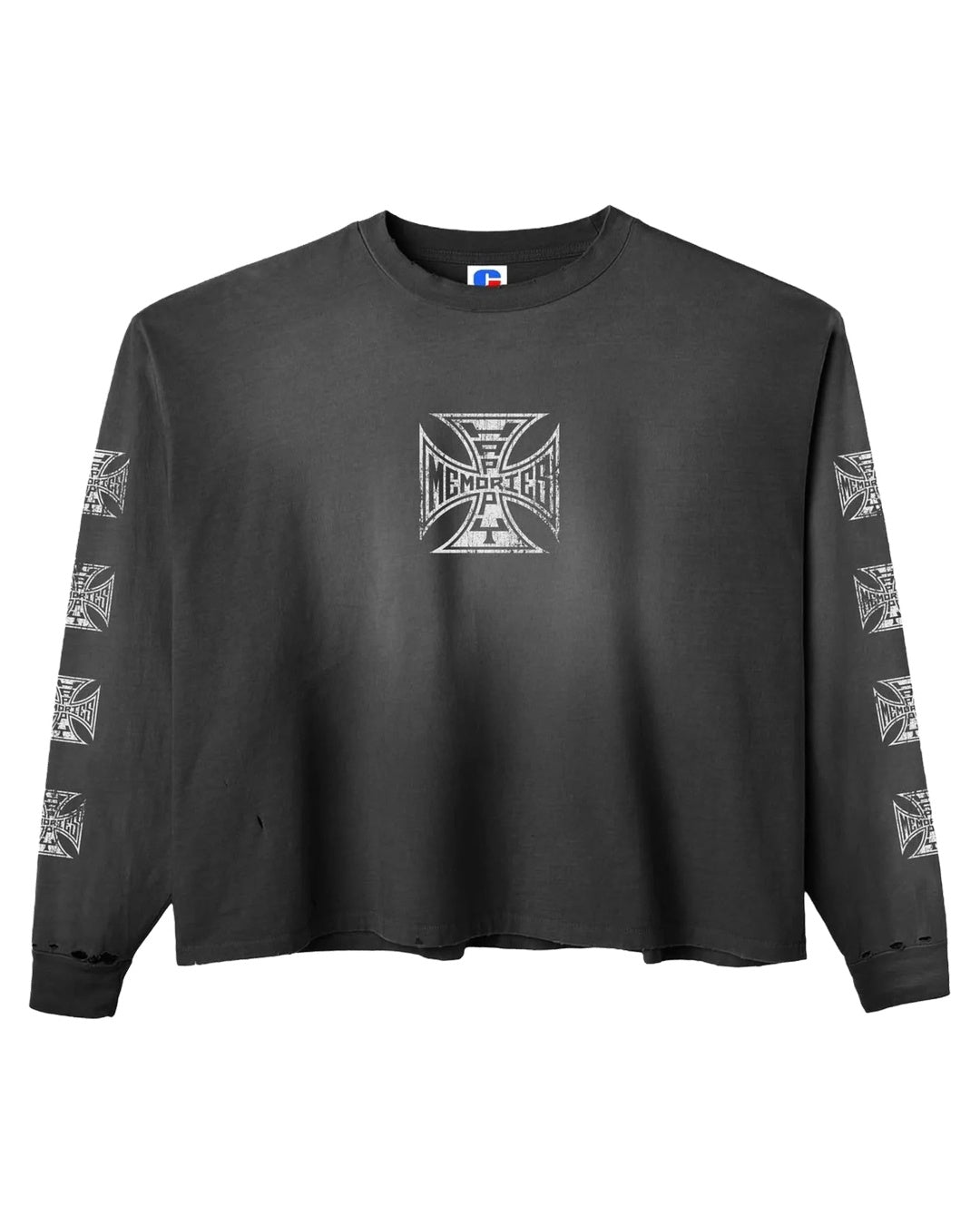
    Right now, people shopping this space keep circling one question: is HMDD’s price actually earned through quality? Full name Happy Memories Don’t Die, the label has earned its fans on sentiment-heavy design work, a throwback mood, and a lineup centered on comfort-first basics like sweatpants, shorts, hoodies, and tees. Still, mood and identity don’t justify cost on their own. So this piece unpacks: what your money actually buys with HMDD clothing, where the value is real, where it thins out, and how it holds up next to similar streetwear labels in 2026.

    Distinguishing hype from actual craftsmanship is the starting point of any honest hmdd review. The brand rests on a singular emotional idea — the idea that sentiment survives time, that a garment can carry feeling and not just look. It’s a compelling marketing angle, yet shoppers paying real money still want proof that stitching, fabric weight, and fit earn their price tag. So we’ll examine construction, sizing consistency, drop frequency, and resale demand for a grounded, honest picture instead of simply echoing HMDD’s marketing.

    What You’re Actually Paying For

    HMDD positions itself in a middle-tier streetwear segment, which puts it above basic mall-brand pricing yet under hype-fueled luxury streetwear. That mid-tier placement is where things get confusing for shoppers, because buyers end up measuring it against both extremes. The right point of comparison is similarly-scaled independent streetwear labels, not fast fashion and not designer collabs.

    Cost comes down to three things: fabric weight, print/embroidery technique, and limited-run scarcity. HMDD’s sweatpants typically feature heavier fleece blends compared to entry-level mall sweats, affecting both drape and structural integrity through repeated washing. As for the graphics, frequently the emotional anchor of the branding, it’s generally applied using techniques more durable than basic heat-transfer printing — a real factor for anyone wearing it often rather than rarely.

    Scarcity from limited releases also affects pricing. Limited manufacturing runs translate to higher per-unit costs than large-scale retailers see, and that gets passed to the shopper. It’s a common pattern across indie streetwear brands, not unique to HMDD, but hmdd clothing it’s worth naming directly because it explains part of the price gap between HMDD and larger chains.

    Sweatpants and Shorts: The Key Test for Value

    For the bulk of shoppers, hmdd sweatpants and hmdd shorts are the starting spot into the brand, and they’re also the most reliable test of value because they’re used often and washed frequently. Sweatpants succeed or fail based on three things: elastic waistband durability, fabric pilling over time, and whether the cut holds its shape after a dozen wash cycles. Short styles get evaluated on drawstring durability, seam strength at the inseam, and whether the material retains its color after multiple washes.

    Buyers regularly point out that HMDD’s sweatpants run true to size with a relaxed through-the-leg cut rather than a fitted taper, which counts for something if you’re used to sizing charts that lean small. A comparable easy fit shows up in the shorts too. That consistency matters more than people expect — a brand that fits reliably across drops cuts down on the trouble and expense of sending items back, which is its own kind of worth even before you factor in the actual cost of the garment.

    Where it gets interesting is return-buying patterns. Customers happy with a single pair of HMDD sweatpants usually return for shorts or hoodies instead of making a one-time purchase and switching brands. That’s a solid indicator of satisfaction, since streetwear buyers have countless competing brands to choose from and don’t stay loyal for underwhelming products.

    HMDD Versus Other Streetwear Brands: A Comparison

    Numbers help ground this conversation more than adjectives do. Here’s a framework for comparison across categories that matter most to shoppers focused on value: price positioning, fabric heaviness category, how long prints and graphics last, release frequency, and consistency of fit. These are general positioning estimates based on broad category placement rather than specific claims HMDD hasn’t directly made, and they’re meant to give you a general sense of direction rather than serve as exact specs.

    Metric Mass-Market Streetwear HMDD Clothing Luxury Streetwear
    Standard Price Range Budget-Level Mid-Range High to Very High
    Material Weight Light to Mid Medium to Heavyweight Heavyweight
    Print/Graphic Durability Low to Mid Mid to High Strong
    Drop Frequency Ongoing Occasional and Limited Seasonal and Scarce
    How Consistent Fit Stays Across Drops Variable Mostly Reliable Consistent

    This comparison isn’t about naming a clear winner — it’s meant to indicate where HMDD sits within the category. It isn’t going up against $15 fast-fashion sweatpants, nor is it attempting to pass as a $300 designer hoodie. It occupies the space where material and graphic quality meaningfully outperform starter-level basics, without requiring shoppers to spend high-end pricing for the upgrade. For many shoppers, that in-between space is exactly the value proposition they’re after.

    Best HMDD Clothing Picks for Everyday Value

    Sweatpants and shorts top that list because they’re worn casually, athletically, and even as loungewear, distributing the expense across more use occasions than a statement hoodie you save for specific outfits.

    • Joggers: elevated wear rotation, laid-back fit, strongest cost-per-wear value in the lineup.
    • Shorts: solid warm-weather go-to item, comparable fit reasoning to the sweatpants.
    • Printed hoodies: steeper price point but longer-lasting durability due to lower rotation frequency.
    • Tees: cheapest entry point, good for checking fit before buying pants.

    It’s a more budget-friendly way to verify sizing before investing in a pricier sweatpant or hoodie purchase. Buying in stages like this is a frequent recommendation among streetwear shoppers dealing with any smaller brand with limited size-exchange windows.

    The Downsides of the Value Equation

    Every brand has flaws, and value assessments lose credibility if they only list positives. The most common friction points shoppers raise about HMDD focus on restricted stock drops — when a design sells out, it may not restock in a consistent timeframe, which can frustrate buyers who let a release pass them by. That’s a genuine downside in accessibility, even if it doesn’t show up on a receipt.

    Indie fashion brands generally can’t match the exchange leniency of big-box stores, so a purchase decision should factor in that exchanges may require more time or cost more in shipping than they would with a bigger retailer. Nothing here is unique to HMDD, but it’s part of the true expense of buying from a niche, creativity-led label rather than a big commercial seller with warehouse-scale logistics.

    The Bottom Line: Should You Buy HMDD?

    The sweatpants and shorts in particular provide strong cost-per-wear value because they’re versatile, fit consistently, and hold up to regular washing better than starter-level pieces. The “happy memories dont die” guiding idea isn’t just marketing spin — it shows up in creative decisions that lean toward meaning and lasting quality over short-lived trend cycles.

    Where you should hit the brakes is if you’re anticipating designer-level construction at mid-tier prices, or if you require assured restocks and forgiving return windows. These qualities aren’t strong points of the limited-drop model that HMDD runs on, and no truthful assessment should pretend otherwise. Having measured your own preferences — value per use, style compatibility, and willingness to accept infrequent replenishment — relative to what HMDD offers, resolving the value question gets much easier for your individual situation in 2026.

  • Valentino Garavani Shoulder Bag Roman Stud Chevron

    Valentino Tote Bags, Ranked: From Rockstud Mini Shopping Up to Panthea

    Of everything a luxury house produces, the tote is the least romantic and usually the most used. A laptop has to fit, the commute has to be survived, and the bag still has to look like it cost what it cost. Rather than a sprawling category, Valentino Garavani offers a small, clearly graded set of shopping bags, and that makes choosing easier than it looks. Below, the ladder is climbed from the most accessible piece upward, the gaps between rungs are explained, and the tote names that fill search results but can no longer be bought new are flagged. These are prices observed in the market during 2026 research, not entries from an official price list. Treat them as orientation rather than as a quotation.

    Which bags count as totes here

    The word the house uses is “shopping” rather than tote, and knowing that makes the category easy to navigate. Unlike the crossbody idea, which has no category page of its own, Totes is a real destination in the brand’s navigation, alongside Shoulder Bags, Top Handle Bags, Clutches, Wallets and Small Leather Goods. What you find there is narrower than the shoulder shelf. Three current pieces carry the category: the Rockstud Mini Shopping bag, the VLogo Signature Shopping bags and the Jean medium shopping bag. Two of the best-known tote names in search results are no longer part of it, as covered below. Everything in the current group is made in Italy, a detail the brand states on its product pages.

    Rockstud Mini Shopping: the entry piece

    For a valentino tote bag that does not go deep into four figures, this is the piece. Observed 2026 prices start at $1,390 for grainy calfskin or suede, rise to $1,490 in raffia, then $1,750 in laminated calfskin and $1,850 in pony-effect calfskin. Notice what stays constant across that spread, because the model and the size hold steady and only the surface moves. That fact alone drives most Valentino pricing, and nothing else is more useful to know before comparing listings. The bag carries the pyramid studs introduced in Fall 2010 by then co-creative directors Maria Grazia Chiuri and Pierpaolo Piccioli, first seen on footwear and drawn from the rusticated stonework of Roman architecture. It is the only tote in the valentino one stud bag entry band, which makes it the piece most first-time buyers of valentino bags end up handling.

    VLogo Signature Shopping: the middle rung

    Move up a rung and the VLogo Signature shopping bags take charge, observed in 2026 at $2,650 to $3,750 in suede or soft leather. VLogo Signature is the house’s contemporary “V” emblem deployed as hardware and closure, and it runs across clutches, bucket, bowling and shopping bags, so the tote belongs to a coherent family. The same family houses the cheapest pieces in the range, with grainy calfskin clutches at $650 to $790 and a moire clutch at $750, which means the emblem is not a price signal in itself. In tote form the step over Rockstud Mini Shopping is roughly a thousand dollars, and it buys size and softer materials. Anyone wanting a bag that reads as Valentino without studs has the obvious answer here. Nearby, a mini bucket in nappa at $1,450 handles the case where the shopping shape is more than you need.

    Jean medium shopping bag: the top of the current set

    The most expensive current shopping bag observed in 2026 is the Jean medium, in nappa chevron at $3,650. The house uses chevron construction across its leather goods, and in this case it gives a directional surface to a straightforward tote silhouette. The bag therefore sits at the top of the mid band, stopping just short of the $3,700 threshold where the top band begins. Set it against the upper VLogo Signature shopping bags at $3,750, since the two overlap almost exactly on price while looking nothing alike. What the overlap shows is the house’s method: parallel families at similar prices rather than one escalating ladder. Deciding between them is a matter of surface preference, not of quality tier.

    The tote ladder at observed 2026 prices

    The table lines up the shopping bags, naming the material each price was recorded in and adding a note on availability. Two of the rows are not buyable new; they appear because both names still dominate search results. Take the current rows as a 2026 market snapshot rather than an official tariff. The spread stretches from $1,390 to $3,750, which is wide but not extreme for one category. Within it, material and size do all the work, and no current tote crosses far into the top band above $3,700. It is a deliberate choice, since totes here are working bags and the house saves its spectacle for elsewhere.

    The piece Material seen 2026 observed price (USD) Availability
    Rockstud Mini Shopping Suede or grainy calfskin $1,390 In the current line
    Rockstud Mini Shopping Raffia version $1,490 Current
    Rockstud Mini Shopping Laminated calfskin $1,750 Current
    Rockstud Mini Shopping Pony-effect calfskin $1,850 Current
    VLogo Signature Shopping Suede, or soft leather $2,650-3,750 Currently offered
    Jean Medium Shopping Nappa, chevron $3,650 In the current line
    One Stud large tote Nappa leather $1,695 at a third-party retailer Archive; not officially offered
    VLogo Escape tote Hammered or quilted leather No longer offered new Discontinued, secondary market only

    The tote names no longer sold new

    Two well-known totes deserve understanding before you go hunting for them. The One Stud tote is defined by a single oversized stud and is missing from the brand’s current filters; a large nappa version observed at $1,695 was listed by a third-party retailer rather than offered officially, so it counts as archive. The VLogo Escape tote has been reported as discontinued by a resale platform; it was made in hammered or quilted leather with double handles, a removable strap and gold-tone hardware, and now exists on the secondary market only. Other familiar names sit in the same position: Roman Stud, Supervee and Stud Sign are absent from the current filters, and a small Roman Stud handle bag observed at $3,550 was flagged as reserved rather than orderable. That does not make those bags inferior, only that owning one means buying pre-owned. What changes is what you check, where you buy and usually the price.

    Where Panthea fits, and why it is not a tote

    Panthea sits at the top of every Valentino price conversation, and it belongs in a tote guide mainly to mark the ceiling. Observed 2026 prices stretch from $3,800 for chevron nappa or suede to $5,650 in python, $7,600 in ostrich and $7,900 embroidered, which makes it the most expensive current family. It is listed as a shoulder bag rather than a shopping bag, and that is exactly the point, because the house does not build its most expensive pieces as totes. Where the budget reaches Panthea money and a laptop is still part of the day, two bags serve better than one. Exotic skins come with strings attached too, as python and ostrich need professional care and are unforgiving of daily use. What a tote earns comes from hours carried, and that is a different kind of value.

    How to choose, and how to care for it

    The practical decision comes down to surface, because every current shopping bag is competent as a container. Grainy calfskin is the most forgiving surface and the easiest to live with. Suede and raffia look better and complain more, and both want distance from water and oils, with suede brushed dry and protected by spray. Laminated, metallic and pony-effect finishes need the most care, since the failure point is the coating rather than the leather under it, which makes abrasion against desks and car seats the thing that ages them. As general luxury-leather practice, not brand instruction: wipe nappa and calfskin with a soft dry cloth, use a nappa cream, blot stains rather than rub, and let a damp bag air dry away from heat. Dust bag, light stuffing, cool and dark storage, and hands off the hardware: antique-brass and light-gold plating wears through if polished.

    Some background on the house behind the bags

    Some context helps when you are spending this much. Valentino Garavani started the house in Rome in 1960 with Giancarlo Giammetti, and the creative headquarters are still there. He sold the company in 1998, retired from design in 2007 with a final couture show in January 2008, and died on 19 January 2026 aged 93, which means he had no hand in any bag sold today. Mayhoola for Investments owns the business, having taken 70 percent in 2012, alongside Kering, which acquired 30 percent in July 2023 with a stated intention to take full ownership by 2028. Alessandro Michele has been creative director since 2024, succeeding Pierpaolo Piccioli, per the most recent confirmable reporting. Finally, this house is entirely separate from Mario Valentino of Naples, and only its bags carry VALENTINO GARAVANI on the interior tag.

  • Malina Casino Review: Una Nueva Perspectiva sobre Gaming en Línea en 2025

    Cuando llevas una década haciendo spin en las reels, la mayoría de los online casinos empiezan a parecerse entre sí. Los mismos slots, las mismas estructuras de bonus, los mismos emails de bienvenida genéricos. Así que cuando descubrí Malina Casino por primera vez, esperaba otra plataforma estándar. Me equivoqué. Este operador, que ha estado construyendo momentum silenciosamente en los mercados europeos, aporta un nivel de pulido y pensamiento player-first que se siente realmente refrescante. Si estás considerando cambiar o simplemente tienes curiosidad por saber de qué va todo el alboroto, este análisis profundo cubre todo, desde variedad de juegos hasta velocidades de retiro. Y para quienes prefieren probar en móvil, el portal dedicado en malina-casino-win.es ofrece un acceso simplificado que refleja a la perfección la experiencia en escritorio.

    Malina Casino no intenta reinventar la rueda—solo busca que la rueda gire más suave, más rápido y con mejores recompensas. Lanzado en 2022 bajo licencia de Curacao, ha creado rápidamente un nicho para jugadores que valoran transparencia y gratificación instantánea. La plataforma es propiedad de un equipo con dos décadas de experiencia en iGaming, y eso se nota en los detalles: sin trampas ocultas en wagering, un programa de lealtad que realmente paga, y un equipo de soporte que responde en minutos, no en días. A continuación, desgloso las funciones principales, la experiencia real del jugador y dónde este casino tropieza.

    Primera Impresión: Diseño y Usabilidad

    Olvida los diseños recargados y llenos de neón que dominan la industria. Malina Casino opta por una estética limpia, casi minimalista, con una paleta de navy profundo y dorado. La interfaz es intuitiva hasta el punto de ser autoexplicativa. El lobby principal está dividido en categorías lógicas—Slots, Live Casino, Table Games y Jackpots—con una barra de búsqueda que realmente funciona. La probé con títulos poco comunes como “Book of Maya” y obtuve resultados en menos de un segundo.

    La navegación en desktop es fluida, pero la verdadera prueba es en móvil. El sitio es totalmente responsive, y encontré los controles táctiles en una pantalla de 6.1 pulgadas precisos, sin clics accidentales. No hay app nativa, pero la versión HTML5 corre a 60fps incluso en dispositivos Android más antiguos. Los tiempos de carga son rápidos, y la página de cashier está encriptada con SSL de 256 bits, lo cual es estándar pero tranquilizador.

    Registro y KYC: ¿Sin Dolor o Doloroso?

    Registrarse me tomó exactamente 2 minutos y 47 segundos. Solo necesitas un email, una contraseña y una moneda preferida. El proceso de KYC (Know Your Customer) es donde muchos casinos pierden puntos, pero Malina lo maneja digitalmente. Subes una identificación con foto y un comprobante de dirección, y el equipo de verificación lo procesa en promedio en 4 horas. He visto casos peores—mucho peores. Un consejo: haz el KYC inmediatamente después de tu primer depósito, no cuando solicites un retiro. Así, tu primer cashout será instantáneo.

    Selección de Juegos: Cantidad y Calidad

    Con más de 4,500 títulos de 60+ proveedores, la biblioteca de Malina Casino es vasta. Encontrarás los habituales—Pragmatic Play, NetEnt, Play’n GO—pero también estudios más pequeños como Hacksaw Gaming y Nolimit City, conocidos por su alta volatilidad y mecánicas innovadoras. Los juegos están agrupados por proveedor, lo cual es un toque agradable para veteranos que saben exactamente en qué estudios confían.

    Esto es lo que destacó durante mis pruebas:

    • Slots: La sección de jackpots vale la pena. Pools progresivos como “Mega Moolah” y “WowPot” están vinculados, lo que significa que el contador de premios se actualiza en tiempo real. También aprecié el filtro “Buy Feature”, que te permite saltarte el juego base y acceder directamente a las free spins—perfecto para high-rollers.
    • Live Casino: La sección la impulsan Evolution Gaming y Pragmatic Play Live. La calidad del streaming es 4K sin retrasos, y los dealers son profesionales. Las mesas de “Infinite Blackjack” tienen una ventaja de la casa baja, 0.5%, lo cual es competitivo.
    • Table Games: Si eres purista, encontrarás más de 20 variaciones de ruleta, baccarat y poker. La “European Roulette” tiene un cero simple, y el RTP está listado en 97.3%—transparente y justo.

    Una pequeña queja: la función de búsqueda no soporta fuzzy matching. Si escribes mal “Gonzo’s Quest” como “Gonzos Quest,” no obtendrás resultados. Es un pequeño fallo en UX, pero molesta cuando tienes prisa.

    Proveedores de Software y Equidad

    Todos los juegos están certificados por iTech Labs, y el RNG se audita mensualmente. Los porcentajes de pago se publican en el sitio, lo cual es un nivel de transparencia que rara vez se ve. Por ejemplo, el RTP promedio de todos los slots es 96.4%, ligeramente por encima del promedio de la industria, que es 96%. La ventaja de la casa en juegos en vivo está claramente indicada en la pestaña de info, así que no hay sorpresas.

    Bonos y Promociones: Sin Rodeos

    La oferta de bienvenida de Malina Casino es un 100% hasta €500 más 200 free spins. Pero aquí viene lo interesante: el requisito de wagering es 35x, no los 50x o 60x que ves en otros lados. Eso marca una diferencia significativa. Por ejemplo, si depositas €100, recibes €100 en bono. Solo necesitas apostar €3,500 (35 x €100) antes de poder retirar. Comparado con competidores que exigen €6,000 para el mismo bono.

    Las free spins se acreditan en lotes de 20 por día durante 10 días. Es una táctica inteligente de retención, pero también significa que no puedes usarlas todas en una sola sesión. Las spins son en “Book of Dead,” que tiene un RTP de 96.21%—una opción sólida.

    Más allá del paquete de bienvenida, las promociones semanales valen la pena seguir:

    1. Monday Reload: 50% hasta €200 con un requisito de apuesta de 20x. Es uno de los reloads más amigables para el jugador que he visto.
    2. Wednesday Free Spins: Deposita €30 y recibe 50 spins en una slot rotativa. Sin wagering en las ganancias de los spins—eso es raro.
    3. Weekend Cashback: 10% de cashback en pérdidas netas, pagado cada lunes. El cashback se acredita como dinero real, no fondos de bonus.

    El programa VIP es solo por invitación, pero no solo para whales. Después de apostar €10,000, obtienes un gestor de cuenta personal y límites de retiro más rápidos. Los niveles son claros, y las tasas de cashback aumentan del 5% al 15% a medida que avanzas.

    Banca y Retiros: Prueba de Velocidad

    Deposite con Visa y con una wallet de crypto (Bitcoin). Ambos fueron instantáneos. El depósito mínimo es €10, accesible para todos. Para retiros, el mínimo es €20, y el máximo €5,000 por transacción para jugadores estándar. Los VIP pueden retirar hasta €20,000.

    Esto es lo que hice en una prueba real de velocidad:

    • E-wallet (Skrill): Retiro solicitado a las 10:00 AM, fondos en mi cuenta a las 10:47 AM. Menos de una hora.
    • Transferencia bancaria: Tomó 2 días hábiles, que es lo estándar. El casino envió un email de confirmación con un tracking ID.
    • Cryptocurrency: El retiro en Bitcoin se procesó en 15 minutos, pero la confirmación en la red tomó otros 20 minutos. Total: 35 minutos.

    No se cobran tarifas por parte del casino en ningún método de retiro. Sin embargo, tu banco o e-wallet pueden aplicar sus propias tarifas. La cashier soporta 12 monedas fiat y 8 criptomonedas, incluyendo USDT, Ethereum y Litecoin.

    Soporte al Cliente: El Toque Humano

    Probé el chat en vivo a las 3:00 AM (CET) un martes. El tiempo de respuesta fue de 18 segundos. La agente, “Elena,” fue conocedora y no usó respuestas enlatadas. Pregunté sobre la contribución en wagering de los juegos de mesa—ella afirmó correctamente que blackjack contribuye un 10% y la ruleta un 5%. Ese es un detalle que muchos agentes suelen fallar.

    El soporte por email es más lento, con un tiempo de respuesta promedio de 6 horas. También hay una sección de FAQ completa que cubre el 90% de los problemas comunes, incluyendo cómo cambiar la contraseña y cómo autoexcluirse. El equipo de soporte está disponible 24/7 vía chat en vivo y email, y hablan inglés, alemán, finés y polaco.

    Experiencia del Jugador: Lo Bueno, Lo Malo y Lo Feo

    Seamos honestos—ningún casino es perfecto. Aquí va mi evaluación sin filtros tras dos semanas de juego activo.

    Lo Bueno

    Los elementos de gamification son sutiles pero efectivos. Ganas “Malina Points” por cada €10 apostados, y estos se pueden canjear por spins gratis o dinero bonus. Los puntos nunca expiran, lo cual es un gran plus. El calendario de torneos también es agresivo—hay una carrera diaria de slots con un premio de €1,000, y la tabla de líderes se actualiza en tiempo real.

    Lo Malo

    El lobby de juegos puede ser abrumador para jugadores nuevos. No hay una “Guía para Principiantes” ni modo tutorial. Si nunca has jugado slots en línea, puedes sentirte perdido. Además, el sitio no tiene una sección de sportsbook. Si quieres apostar en fútbol o tenis, tendrás que ir a otro lado. Eso puede ser un factor decisivo para algunos.

    Lo Feo

    Un problema: las herramientas de “Responsible Gaming” están enterradas en el footer. Tienes que desplazarte hacia abajo y hacer clic en un enlace pequeño para establecer límites de depósito. No es tan visible como debería. Dicho esto, una vez que las encuentras, las herramientas son robustas—puedes establecer límites diarios, semanales y mensuales, y hay un recordatorio que aparece cada 30 minutos.

    Veredicto Final: ¿Para Quién Es Malina Casino?

    Malina Casino es ideal para entusiastas de slots y jugadores de live casino que valoran pagos rápidos y términos de wagering justos. No es para apostadores deportivos ni para quienes buscan un programa VIP con perks de lujo. La plataforma es estable, los juegos son de primera, y el soporte al cliente es realmente útil.

    Si estás en una jurisdicción donde los casinos con licencia de Curacao son aceptados, esta es una opción sólida. La falta de una app nativa es una pequeña molestia, pero la versión móvil web compensa con velocidad y fiabilidad. Calificaría mi experiencia general con un 8.5 de 10. La única razón por la que no es más alto es por la función de búsqueda poco intuitiva y las herramientas de gaming responsable ocultas.

    Para quienes estén listos para probar, empieza con el bono de bienvenida pero lee los términos cuidadosamente. El wagering de 35x es justo, pero las spins gratis se distribuyen en 10 días—planifica tus sesiones en consecuencia. Y recuerda, el portal en malina-casino-win.es es un excelente recurso para revisar las últimas promociones y actualizaciones de juegos sin tener que ingresar cada vez. ¡Feliz spin, y que el RNG esté siempre a tu favor!

  • New Vale Joggers Drops Flannel and Thermal Mix

    Is Vale Forever Worth It? Quality, Fit, and Where to Buy

    Quick answer: yes, if you prioritize premium fabrics, refined oversized silhouettes, and artisanal craftsmanship at contemporary prices. The label’s strength lies in sustainable fashion discipline, curated drops, and wearable minimalism which holds up season after season. The trade-off is you need to understand your fit and where to purchase to prevent fakes and overpaying.

    Vale Forever positions itself at the meeting point of luxury cues and streetwear practicality, which means you obtain clean lines, understated palettes, and details that appear intentional rather than loud. Pieces aim to be wardrobe essentials, not hype fodder, and that shows in the construction and fabric choices. If you’re pursuing heavy logos or trend-chasing graphics, look elsewhere; if you need a uniform-level capsule which still reads modern, this path delivers. The key is matching the cut to your physique and making smart purchase decisions based on release cadence.

    The Label at a Glance: Identity, Positioning, & Price Range

    Vale Forever represents a contemporary streetwear brand built on minimalist design, premium hand-feel, and signature oversized fits. It sits above mass-market streetwear and under legacy luxury, with costs that reflect boutique production. Drops are limited, emphasizing quality and permanence over churn.

    The visual language is restrained: muted color stories, understated branding, and silhouettes aimed at timelessness rather than virality. Anticipate elevated hoodies, heavyweight tees, relaxed trousers, and clean outerwear that valley denim shorts layers into a harmonious wardrobe. Usual price brackets land in the upper contemporary bracket, reflecting better fabrics and small-batch runs. Since the brand champions slow fashion values, you’re paying for more than just a logo—you’re paying for material selection, fit development, and managed production. The balance of exclusivity and accessibility is why the label resonates with everyday style enthusiasts who still want boutique-level craft.

    Quality You’ll Feel: Fabrics, Construction, & Durability

    The core value rests on textile density, yarn quality, and considered construction details. Look for heavier GSM cottons, brushed insides on fleece, tightly knit necklines, clean seam finishes, and components that don’t feel generic. These choices translate to drape, color durability, and fewer shape problems after repeated wear.

    In practice, that means fleeces retain structure at the hem and cuffs, tees resist baconing near the neckline, and trousers fall clean rather than collapsing. You’ll also notice consistent dye runs and less pilling when you treat the garments correctly. Seaming tends toward reinforced stress points and tidy overlock finishing, which enhances durability under real-world conditions. While not every piece achieves artisanal-level, baseline quality sits comfortably above big-box streetwear. If you’ve moved through fast-fashion fleeces that deteriorate after ten washes, the improvement here is direct and noticeable.

    Item Standard Fabric/Weight Manufacturing Notes Silhouette Profile Typical Price (USD) Fitting Advice
    Heavyweight Tee 200–260 GSM cotton jersey Tight collar rib, twin-needle hem Boxy, drop shoulder 60–90 Stay true to size for boxy; size down for closer chest
    Cotton Fleece Hoodie 420–500 GSM cotton fleece Soft interior, double-needle at stress points Generous body and sleeve 140–220 Keep TTS for intended drape; go down if under 5’7″
    Cargo/Sweat Pant Medium twill or nylon blend Reinforced pockets, quality drawcords Loose, tapered or straight 130–240 Confirm inseam and rise; cuff looks best at ankle
    Denim 12–15 oz raw denim Union Special hems, reinforced belt loops Easy or wide straight 160–300 Verify waist flat; many styles rest on hip
    Outerwear Wool composites or technical shells Interior lined, clean hardware, minimal branding Roomy, slightly cropped or longline 220–500+ Mind sleeve length; oversized shoulders are deliberate

    How Does Vale Forever Fit?

    This brand’s signature is an oversized, boxy silhouette with dropped shoulders and easy trousers. The intent is drape and structure without looseness, so length and proportion matter more than just body width. Most wearers should remain at true size for the designed look.

    Sweatshirts and tees typically run wide through the body with reduced lengths to avoid swampy bunching. If you’re shorter or like a tidier line, dropping a size often cleans up sleeve and body length without strangling the chest. For pants, waist rise and inseam define the silhouette; a relaxed thigh with a gentle taper will rest clean on the shoe when the inseam hits the ankle. Outerwear usually carries broader shoulders and a boxy torso, which reads intentional when layered over heavyweight knits. If you’re sizing between options, compare garment dimensions to a piece you currently love rather than defaulting to a numbered size.

    Size and Measurements: Picking the Proper Cut for Your Frame

    Use garment measurements, not just size tags. For tops, prioritize torso width, shoulder width, and rear length; for bottoms, focus on waistband (flat measure), rise, thigh, and length. Matching these to your frame and styling preference beats estimating every time.

    A quick routine saves returns: measure a beloved tee or sweatshirt flat, note chest (pit-to-pit), shoulder seam width, and back length, then match to the size chart. If you like a shortened look, aim for a back length that hits right below the belt line; for a longer stack, add 1–2 inches. For pants, a higher rise can let you size to hips without squeezing the middle, while a slightly shorter inseam prevents messy pooling on broad legs. Remember that heavyweight cotton barely shrinks if cleaned cold and air-dried, while machine-drying can tighten collars and reduce lengths marginally. If you’re thick-chested with shorter arms, a smaller size with a roomier fit often balances the silhouette better than adjusting the sleeves post-purchase.

    Value Analysis: Cost, Wear Rate, and Resale

    The label earns its keep through high wear rate across seasons, not merely first-impression heft. When you calculate cost per use on a heavyweight hoodie or neutral pant that slots into multiple outfits, the math generally works in your favor. Resale market is strong but not investment-focused, which suits buyers who truly wear their clothes.

    In daily use, a 450 gram hoodie or well-cut twill trouser can anchor weekly rotations without declining visually for years. Since designs are minimal and muted, you won’t age out of them the way you could with hyper-trendy graphics. On the secondary market, pieces in basic colors and staple categories maintain value best, especially in pristine condition with clean necklines and intact hardware. Limited capsules or collaborative fabrics can fetch higher resale, but treating the brand like an investment vehicle misses the point. The real worth is reliable, elevated basics that reduce decision fatigue and allow you build a cohesive uniform.

    Where to Buy Vale Forever: Direct, Stockists, and Resale

    The simplest route is the brand’s direct site during drops, where you obtain guaranteed authenticity and full size runs at MSRP. Select boutique stockists sometimes carry capsules or seasonal staples, which assists with try-ons and nearby returns. Secondary platforms are feasible when you verify measurements and labels.

    To catch releases, monitor the brand’s site and social channels for launch dates; small-batch labels hardly give extended lead times. If a local boutique stocks the brand, bring your go-to garment measurements and try adjacent sizes to dial the silhouette. On secondary markets, use platforms with buyer protection and ask for flat measurements, inside tag photos, and close-up shots of stitching and hardware. Be skeptical of prices far below retail, mismatched fonts on wash labels, sloppy collar ribs, or inconsistent garment sizing for the stated size. If you care about warranty or return policy, prioritize retail or official stockists over peer-to-peer listings.

    Brand Comparison: Vale Forever vs. Fear of God Essentials, Represent, and Aimé Leon Dore

    Vale Forever trends more boutique and minimalist than Essentials, less obviously branded than Represent, and more urban than ALD’s Ivy-leaning cuts. If you want quiet premium cues without preppy references or loud logos, this is the direction. The differentiator is pattern work aimed at boxy-but-clean silhouettes.

    Essentials provides accessible volume and consistent fits, but fabrics and details are typically less elevated. Represent tends to hit heavier on branding and trend-driven graphics, with some exceptional denim; if you want logo presence, it may satisfy that desire better. ALD delivers premium textures and refined tailoring alongside lifestyle storytelling, which trends more refined and less overtly streetwear. Vale Forever’s edge is in sustainable discipline and limited releases that emphasize fabric hand-feel and fall. It’s the choice for a clean street uniform that doesn’t look basic or disposable.

    Care, Upkeep, and Longevity Tips

    Care is simple: wash cold, reversed, and air-dry to preserve color, shape, and hand-feel. Avoid high-heat tumble cycles, which can tighten collars and compress fleece loft. Store knits folded rather than hanged to maintain shoulder shape.

    Employ a fabric brush or pill remover sparingly on surface pilling, and press with low temperature and a pressing cloth to avoid sheen on cotton blends. Spot-clean technical outerwear and retreat if needed rather than washing too frequently. For denim, extend intervals between launderings and reshape while moist to maintain the leg line clean. Watch hardware—zipper lubrication and gentle handling extend life on jackets and pants. Treated with basic care, the pieces mature gracefully and retain their form, which is the whole point.

    Final Take: Who Will Love Vale Forever—and Who Won’t

    If you want premium-feel basics with a modern oversized cut, subtle branding, and small-batch credibility, this label is worth your investment. The quality delta is apparent when handled, and the silhouettes are dialed for repeat wear. If you need slim, brand-forward, or trend-reactive pieces, you’ll be better served elsewhere.

    Purchasers who grasp garment measurements and proportion will extract the greatest value, because fit is the differentiator here. Target core tones first—black, heather grey, stone, navy—then branch into seasonal shades or textures once your base is set. Purchase from official channels or reliable boutiques, use specs on resale, and avoid deals that read too good to be true. With that strategy, you get long-life staples that feel elevated every time you wear them on, and the cost per wear takes care of itself.

  • Ferragamo Crossbody Bag Store New Collection

    Why Ferragamo Bags Are Made in Italy, and How to Verify It Yourself

    Country of origin is one of the few claims about a luxury handbag you can check yourself in under a minute, and with Ferragamo the check is about as painless as it gets. Every current bag product page on the brand’s own webstore carries the words Made In ITALY, and the Studio Bag collection page states that each bag in the family is crafted in Italy. The verifiable part finishes there, and everything here is anchored to it. Why a Florentine house ended up making bags at all is the rest of the story, and it is context that explains the label instead of evidencing it. Keep what the company publishes separate from what the internet has decided on its behalf. The prices below are all observed 2026 market prices, gathered from the brand’s own US webstore in September 2026.

    Bags Were a Late Arrival, And Hence the Florentine Geography

    Salvatore Ferragamo founded the house in 1927 and built it on footwear, working from Florence with Palazzo Spini Feroni as its home. Handbags are a second chapter: in 1965 Fiamma Ferragamo began designing bags and small leather goods as accessories to the shoes, and the first press article featuring https://feragamo.net/handbags/ a Ferragamo bag is dated 1969. Because the leather-goods business grew inside an existing Tuscan production culture instead of being assembled from scratch somewhere cheaper, that sequence matters for a manufacturing question. A shoemaker’s pattern-cutting habits and finishing standards were already in place when the first bags appeared. Florence itself belongs in the answer, having been a leather-working centre for centuries, and a structured handbag leans on the same skills as a fine shoe. Reading Made In ITALY on a current bag page means reading the end of a line that starts with footwear.

    The Workshop Model, Based at Osmannoro

    What is documented about production is modest, and it deserves an unadorned account rather than embroidery. From 1967 onward the Osmannoro factory near Florence housed design and prototyping, and production was carried out through workshops located near Florence and Naples. That is a two-part structure familiar across Italian leather goods, pairing a central studio that draws, models and approves with specialist external workshops that execute. Which is why made in Italy tends to describe a network here rather than a single address. Anyone who offers you more detail than that about suppliers, tanneries or hide sourcing is filling a gap the company does not fill publicly. Put honestly, the country of manufacture is documented and the individual workshop behind any given bag is not.

    The One Sentence on Every Product Page

    This is the part you can confirm in a browser instead of taking on trust. In a Ferragamo shop online, open any current handbag, scroll to the composition and details block, and you will see the origin line reading Made In ITALY, in that capitalisation. Every bag examined during research carried the same line, from entry-level Gancini pieces to the exotic top of the range. One step further, and in plain words, the Studio Bag collection page states that each bag in the collection is crafted in Italy. Running the check takes seconds and gives you a first-party statement instead of a forum opinion. You also end up with a reference point for the moment a third-party listing blurs about origin, which is a common feature of listings that deserve suspicion.

    The Product Code: What It Does and Does Not Identify

    Every current bag page also shows a two-part product code, and that code is widely misunderstood. You will see the Hug XS as 215975 768853, the medium python Gancini handbag as 21A894 796650, and the small Iconic Top Handle as 216176 793846. A style code comes first and a variant code second, and together they identify a model in a particular material and colour. They do not identify an individual unit, so they are not serial numbers in any meaningful sense, and whether the same digits appear stamped inside a given bag is not something the company confirms. The distinction matters the moment a seller waves a code at you as proof, since at best it shows the listing matches a real model. The code is useful in precisely one way, so use it that way: check it against the brand’s own site to confirm the bag, material and colour exist.

    The claim in front of you Where it stands How to test it
    Made In ITALY carried on the product page Verified on every current bag page Read the details block on the brand’s site
    The Studio Bag collection is crafted in Italy Written on the collection page Read the collection description
    Design and prototyping were based near Florence from 1967 A matter of historical record Background only, not visible on the bag
    Production carried out by workshops near Florence and Naples A matter of historical record Unpublished for any individual bag
    Stories about serial numbers, date codes or authenticity cards Not brand-confirmed, blog-sourced No brand guide has been published at all
    The product code singles out one specific unit Incorrect, it identifies model and colour Line up the code with the model on the brand’s site

    The Hand Work Surfaces in the Materials

    Where a legal statement about origin meets a physical one about craft is the material list. Official composition fields across the current line-up name calfskin in smooth and grained or hammered finishes, suede, python, hand-woven wicker with silk lining, raffia, canvas and jacquard. Several of them resist industrialisation, and that is exactly the point, since a hand-woven wicker Iconic Top Handle lined in silk was observed at $4,800 in the small size, measuring 7.8 by 7.8 by 4.7 inches, with the weave being the entire object. The skin controls cutting and matching in a second case as well, the medium python Gancini handbag at $4,100, 7.2 by 13.3 by 4.7 inches. Even the everyday calfskin pieces, the Hug XS at $2,600 and 5.5 by 8.8 by 4.3 inches among them, betray hand assembly in their folded side panels and two golden Gancio buckles. Those observed 2026 market prices track material difficulty far more closely than they track size.

    Made in Italy Is Not a Synonym for Genuine

    It is worth saying bluntly that origin and authenticity are separate questions. Counterfeit operations print origin labels as readily as they lift official photography, so the stamp on an object of unknown provenance proves nothing by itself. Only in combination with channel does origin become useful, because a bag bought from the brand’s own site, from its boutiques, or from a verified stockist such as Nordstrom, Bloomingdale’s, Saks Fifth Avenue, Mytheresa or Farfetch brings the claim with a chain of custody attached. Any site presenting itself as an official Ferragamo outlet fails that test structurally, since no such online channel exists and the only official online discount route is a seasonal Ferragamo sale section on the brand’s own site. Secondary-market platforms still file everything under Salvatore Ferragamo, so searches for salvatore bags end up there instead of on the current collection. The company’s own guidance is simply to buy through its website or through authorised stores and distributors.

    The One Physical Touchpoint Is Repair Services

    There is just one official route if you want someone connected to the company to handle your bag in person. Repair Services are offered by Ferragamo for a selection of authentic products, and requests are placed at selected stores with proof of purchase. It is described as valid regardless of the country or sales channel of the original purchase, which quietly makes it the most useful physical touchpoint the brand offers. It is not an authentication service and should never be described as one, because the company publishes no authentication programme whatsoever. All the same, handing a bag across a counter to people who handle the product daily beats posting photographs to a forum. Selected boutiques offer initials personalisation as well, which is one more reminder that the physical network can do what a webstore cannot.

    The Verification Routine, in Two Minutes

    Taken together, the pieces make a process short enough to do on a phone. Find the model on the brand’s own site, read the origin line in the details block, and note the two-part product code alongside the official price. Check the seller’s listing against all three, as a mismatch in material, colour or dimensions is more revealing than a close-up photograph. Consider the material claim next, because hand-woven wicker or python has physical characteristics a cheap copy will not reproduce even when the label is correct. Apply the channel test after that: the brand’s own shop, its boutiques and the verified stockists constitute the safe list, while anything advertising itself as an online outlet is disqualified. Finally, ignore claims about certificates or serial numbers, and route any real damage to Repair Services rather than to a stranger. Plenty of sellers with a story surface when you search for a feragamo bag with one r, and the origin line on the brand’s own page is the one part you can read for yourself.

  • Explore Vale Forever Range Order Today

    Vale Forever Decoded: The Foundation

    Vale Forever functions as an independent, modern streetwear label rooted in premium materials, streamlined design, muted palettes, featuring a signature oversized silhouette. The brand operates through limited drops, emphasizes slow-fashion principles, while maintaining boutique-level craftsmanship merged with practical wearability. If you require clear answers regarding dimensions, prices, authenticity, drop timing, and where to buy, this guide packages the key details into practical steps.

    The designer’s vision is minimalist and future-focused, which appears via restrained branding, deliberate material selection, and timeless blocks that avoid fad pursuing. Pieces lean generous with deliberate drape, making the sizing conversation starts with how you prefer the garment to drape on your frame. Costs differ by category and fabrication, with tees and caps as entry options and outerwear at the top end, especially during exclusive runs. Authenticity depends on construction quality and source, so buying direct or from verified partners matters. Understanding the drop cadence and secondary market norms helps you land the right piece during the right time skipping premiums.

    How does Vale fit?

    Vale Forever gets designed oversized, with relaxed shoulders, generous body width, and intentional length supporting clean stacking and drape. True-to-size provides the planned slouch; one size down tightens the cut without turning it slim.

    Across tees, knits, and many bottoms, the core block reads as roomy over boxy-for-the-sake-of-boxy. Shoulders tend to drop slightly, sleeves offer comfortable volume, and bottom edges sit balanced allowing the garment layers well without billowing. If you like a classic streetwear appearance with air between your body and the fabric, stay Vale Forever Official with your normal size. If you seek a closer line yet still looks modern, consider sizing down one level. For athletes or broader builds, true-to-size usually achieves the proportion while protecting mobility through upper body and back.

    Understanding the silhouette and drape

    The key to Vale’s silhouette is deliberate volume: wider chest, relaxed shoulder seams, and enough length allowing layer without collecting. Fabrics are commonly heavy jersey or heavyweight fleece, which hold structure and create clean vertical lines.

    That combination ensures the garment hangs rather than clings, and it opposes twisting or collapsing after wash. Ribbing around wrist areas and hems manages the extra volume ensuring the fit appears polished-relaxed instead of sloppy. On pants, anticipate a straight or gently tapered leg with space around the thigh; for upper layers, a bit longer back hem helps the stack over basics. If you’re placing under outerwear, the generous proportions accommodates a pullover beneath a coach jacket minus fighting the shoulder openings. The net outcome is a consistent visual language across categories, that eases your sizing decisions once you’ve tried one core piece.

    How should you assess yourself for Vale garments?

    Measure your chest, shoulder width, sleeve reach, waist, and inseam with a soft tape measure, then compare to a favorite garment that fits how you need Vale to fit. Leverage those garment-on-garment numbers to determine the label size over than relying exclusively on body measurements.

    Lay your ideal tee or hoodie flat and take pit-to-pit, shoulder seam to shoulder connection, and back length from high point on shoulder. For pants, take waist flat across, thigh one inch down from inseam point, knee at center, hem opening, plus inseam. Translate flat numbers to circumference where necessary via doubling them, then reference to Vale’s product page specs when posted. If a piece you love is slimmer than Vale’s oversized block, decide whether to go down or embrace the intended drape. Having a note on your device with your own clothing measurements speeds future decisions during rapid releases.

    Sizing quick-reference table for Vale’s oversized cut

    Use this chart as a starting point; it aligns regular body and garment choices alongside Vale’s relaxed block. Choose based upon your usual mainstream size and the silhouette you prefer.

    Body Chest (inches/cm) Usual Size (regular) Preferred Fit Suggested Vale Size Notes
    34–36 in / 86–91 cm XS–S Brand-intended oversized S Spacious drape without drowning compact physiques.
    36–38 in / 91–97 centimeters S Sharper, closer look XS Size down one achieving a neater silhouette in tees and sweats.
    38–40 in / 97–102cm M Brand-intended oversized M Keep shoulder drop and sleeve space as designed.
    40–42 in / 102–107cm L Standard, less slouch M Down one if you want a cleaner hoodie fit.
    42–44 in / 107–112 cm L–XL Original oversized L Stay TTS for layering over hoodies.
    44–47 in / 112–119 cm XL–XXL Standard, less slouch XL Down one to tidy up body width and keeping length.

    If you exist between sizes, let material density decide: heavier fleece feels bulkier, so taking the lower of both sizes keeps proportions controlled. For bottoms, go with true-to-waist for a comfortable fit and thigh; modify with drawcords for minor adjustments instead of reducing by two sizes, which might distort rise and flow.

    What are the standard prices and what determines them?

    Expect tees to sit in the elevated indie bracket, hoodies and crewnecks in the low-to-middle range, and outerwear higher because to fabric and production quality. Accessories and caps sit lowest, while boutique or specialty fabric releases land at the premium end.

    Across recent drops from Vale Forever and equivalent boutique streetwear makers, tees commonly exceed mass-market basics, reflecting heavier jersey and improved dye or print methods. Fleece programs cost more because of textile weight, rib quality, and assembly complexity, plus features like lined hoods or quality seaming. Bottoms such as casual pants or sweats parallel fleece tops; denim shifts with wash finishing and hardware. Outerwear gets the steepest climbs when lined, insulated, or constructed from specialty textiles. Delivery, duties, and taxes might also affect total purchase totals, so check destination costs before a launch goes live.

    Price drivers: material, make, and exclusivity

    The three largest price levers are fabric density and handle, build quality, and drop quantity. Denser jerseys, heavyweight fleece, and lined jackets add cost and lifespan.

    Build quality appears in double-needle construction, clean coverstitching, durable ribbing, and precise pattern alignment. These choices slow production and raise individual cost but directly better drape and durability. Limited runs mean fewer units to amortize development and sampling, which keeps costs elevated than mass-market but preserves exclusivity and resale value. Regional production standards and compliance also matter, since ethical production and better trims increase the baseline. When you judge pricing, compare the garment against a benchmark in your closet on weight, construction, and finishing—not just the tag.

    Cost-per-wear perspective for core pieces

    Vale’s core pieces are built to live in heavy rotation, thus evaluating cost-per-wear gives a better value picture than retail price alone. A quality hoodie worn 3 times a week for a year amortizes rapidly when it keeps structure and color.

    Dense jersey t-shirts that resist twisting and neckline blowout typically endure several seasons, especially with proper wash care. Lower garments with reinforced seams and quality drawcords fare better under daily friction than lower-cost analogs. If you rotate through a small uniform of high-grade staples, the starting outlay balances out through time and typically beats frequent replacements. This approach also helps you choose where to spend: invest in the garments you wear most and keep accessories to support rather than carry the outfit.

    Authenticity: practical tests that actually work

    Verify source initially, then verify build. Pieces bought via the official site or announced partners are most reliable; construction, label uniformity, and print quality validate the rest.

    Independent labels like Vale Forever keep branding understated but consistent throughout all labels, size tags, and internal indicators. Look for uniform stitching with no unfinished edges at stress zones, seams that sit flat inside-out, and ribbing that recovers rather than waves. Prints should appear sharp with clean boundaries; on fleece, dimensional and plastisol should bond smoothly without halos. Material feel should feel thick and stable, not flimsy or overly stretchy considering the weight. If a posting’s images avoid clear detail or inside-out shots, assume risk and request those ahead of committing.

    Labels, construction, and prints to inspect

    Labels should look sharp with centered text, consistent spacing, and solid attachment. Care tags should include fiber breakdown, care symbols, and consistent layout that matches other pieces from the company.

    Run fingers across shoulder and side stitching; you’re feeling for consistent coverstitch and no snags. Check rib-to-body connections at cuffs and edges for puckering, a clear indicator on counterfeits. With graphics, inspect micro-edges for poor registration or bleed; genuine production methods maintain clean edges. On embroidery, fill should be sufficient to obscure the base cloth with no show-through. Any mismatch in brand marks, misspellings, or typography variations across labels is a hard stop.

    Red flags that typically signal a counterfeit

    Unusually low prices relative to current or past retail are the primary giveaway, especially on fresh colorways. Inconsistent images, stock imagery only, or missing construction photos add risk.

    Other tells include thin jersey labeled as quality, oversized fits that mysteriously land tight in real-world photos, off-center graphics, and crooked neck labels. Sellers refusing to provide proof of purchase or original packing receipts should be treated as significant risk. Overly shiny or plastic-feeling inks imply cheap print methods instead of the brand’s standard quality. If any two elements feel off, look for a safer listing or buy direct on the next drop.

    How Vale drops items: drops and replenishments

    Vale Forever runs a drop-driven calendar with limited quantities announced on social media and email. Restocks occur sparingly, often for basic colors or best-selling cuts.

    Announcements typically arrive on Instagram feeds or content with lookbook images and closeups that telegraph fabric and fit. Mailing lists may receive prior warning, sizing notes, or specific launch windows. Ready items usually dispatch in a few business days, while made-to-order or pre-order items can need weeks as production finishes. Expect time-zone specific release hours and monitor shipping cutoffs around holidays. When a release contains multiple categories, the quickest-selling sizes are the smaller and mid-range tops plus common waist measurements in bottoms.

    Timing, channels, and delivery windows

    Follow Vale Forever’s main social channel and join the newsletter; these two channels carry the most accurate timing. Platform timers or pinned posts often mark the precise release minute.

    Cart queues and anti-bot protections can emerge during high-interest releases, so having your account, delivery info, and payment prepared saves crucial seconds. For global buyers, review import fees and VAT handling beforehand to avoid payment confusion. Shipping windows are usually listed on each product page and might change per item during the same drop. If replenishments are planned, they’re typically announced with direct communication to reduce frenzied buying and resale spikes.

    Where can you reliably buy Vale Forever?

    Buy direct from the official website or via pop-ups and any retailers the brand approves for a given drop. For past collections or sold-out pieces, try peer-to-peer marketplaces with consumer protection and request authentication photos.

    The safest path is always the official site, linked from verified social profiles or email communications. Pop-up events sometimes provide first access or exclusive colorways; the company usually shares dates and sites in advance. When external boutiques participate, the brand will name these retailers; avoid unlisted retailers claiming the name without acknowledgement. On the aftermarket, prioritize platforms that hold payments in escrow until delivery and enable returns for counterfeit claims. Ask for sharp images of care tags, size tags, and macro images of prints or graphics before you press buy.

    Navigating the secondary market without getting scammed

    Start by reviewing the seller’s history, transaction record, and number of successful transactions on that specific platform. Insist on timestamped photos with the user’s handle, plus inside-out shots of seams and tags.

    Compare any listing against retail product pictures or trusted fit pics to confirm proportions and shade accuracy. Cross-reference cost with recent comparable deals to avoid overpaying during excitement spikes. Keep all communication within the site to preserve buyer protection, and avoid off-platform payments. If a deal moves too fast, pause; good pieces return, and patience typically saves money and hassle.

    Care, longevity, and resale behavior

    Cold wash, turned inside out, and air dry maintaining maintain color, shape, and prints on Vale’s heavier fabrics. Lightly press or iron on low from the reverse when required and avoid high-temperature cycles that weaken rib trim.

    Dense jersey and fleece reward gentle care by holding their hang and neckline structure over extended periods. Store knits folded instead than hung to stop shoulder stretch; position coats on wide hangers to protect shape. Remove pilling gently with a fabric comb if friction spots develop on fleece. For the resale side, clean pieces with original tags or receipts tend to move faster and nearer to retail, especially in core colors and standard measurements.

  • Designer Italian Hoodie Browse Online

    Must-See Palm Angels T-Shirt Designs You Need This Season

    You can’t deny a great t-shirt that just elevates your look. It’s the piece you throw on when you aim to give the impression you didn’t try — even though you absolutely did. And when that t-shirt is made by Palm Angels, you’re operating in a whole different league. Francesco Ragazzi started this brand as a celebration of LA skating scene, and somewhere along the way it evolved into one of the most distinguished names in luxury streetwear. Now in 2026, Palm Angels t-shirts are essentially the standard for anyone who aims to say “I know fashion” without literally saying a word. The tees cover everything from minimal logo prints to maximum graphic explosions, and every season drops innovative designs that sell out faster than you can click on your cart. So let’s get into the top Palm Angels t-shirt designs for this season and how to really style them in your wardrobe.

    The Timeless Logo Tee: The Eternal Favorite

    Let’s be honest, fashion movements come and go, but the Palm Angels signature logo tee is basically timeless at this point. The design is refreshingly simple — a clean front with the curved “Palm Angels” wordmark palm angels sweater luxury brand positioned across the chest in a slightly gothic-inspired font. It comes in a staple rotation of black, white, and navy, with limited colorways that change each drop. What makes this tee noteworthy isn’t the logo itself but the construction: the cotton jersey is a dense 200 GSM fabric that feels substantial without being cardboard-like, and the fit lands in that just-right zone between relaxed and sharp. You can tuck it into trousers for a dinner date or let it drape freely over shorts for a day at the shore. At around $250–$320 retail, it’s an entry point into the brand that overdelivers for its price when you factor in construction quality. Every wardrobe deserves a staple logo tee, and this one has earned its spot at the top of the rotation.

    Statement Head-Turning Tees That Turn Heads

    The Bear Print Collection

    If the logo tee is Palm Angels’ understated handshake, the bear print tees are its ultimate statement. The bear — a deconstructed teddy bear with X’d-out eyes, originally dropped around 2019 — has turned into an iconic mascot and one of the most memorable graphics in modern streetwear. For SS26, Palm Angels reinterpreted the bear in several fresh interpretations: a spray-painted neon version that almost radiates off the fabric, a vintage-washed edition that adds to the tee a thrifted-from-the-future aesthetic, and a partnership bear design incorporating elements from the house’s partnership with Moncler. These tees retail between $300 and $400, and resale premiums on hard-to-find colorways can send prices 30–50% above retail within weeks. The bear print performs optimally as the hero piece of an outfit — pair it with minimal black jeans or muted track pants and let the graphic carry the attention.

    Palm Tree and Sunset Graphics

    You wouldn’t expect a brand called Palm Angels without palm trees making recurring showings, and the exotic motif tees stay some of the most visually striking pieces each year. The SS26 collection showcases an large-format photo-print tee with a retro sunset boulevard scene stretching across the full front, shot in Ragazzi’s distinctive documentary photography style. There’s also a repeated palm tree pattern tee in an all-over print layout that looks more like a holiday shirt reinvented as a t-shirt. Another winner is the aged flame palm tee, blending exotic graphics with a grunge-inspired acid wash effect. These botanical prints link back to the label’s Los Angeles roots and provide a nice break to branding-focused designs filling premium street fashion right now. Sizing is consistent with the wider range — the photo-print tees run a bit longer in body length to accommodate the full graphic, which is actually beneficial for a casual silhouette.

    Fabric, Fit, and Quality Close Look

    Here’s the technical side for a moment, because the hand and construction of a t-shirt matter much more than most people realize. Palm Angels gets its cotton primarily from Turkey and Portugal, using long-staple fibers that create a softer, more hardwearing yarn. The core tee uses a 180–200 GSM single-jersey cotton, while high-end and special pieces can reach 240 GSM in a double-knit structure that eliminates transparency issues. Seams are flat-felled or bolstered with taping at the shoulder and neck to stop deforming — a element you won’t get on similarly priced competitors. The fit has progressed over the years: the 2026 range offers a “relaxed regular” fit that delivers a relaxed feel without drowning the wearer. Collar engineering uses a ribbed binding that maintains its form through repeated washes, defying the infamous “bacon neck” syndrome. A properly cared for Palm Angels tee should look great after 50+ washes. Following care instructions — cold wash, inside-out, hang dry — prolongs that lifespan to an even greater degree.

    Best Options Ranked: The Top Tees of SS26

    With many of options releasing each season, choosing the finest picks allows you to eliminate decision fatigue. Here are the top Palm Angels t-shirts for Spring/Summer 2026.

    Rank Design Retail Price Colorways Versatility
    1 Classic Logo Tee (Updated) $275 6 10/10
    2 Neon Spray Bear Tee $350 3 7/10
    3 Sunset Boulevard Photo Tee $320 2 6/10
    4 PA Monogram All-Over $310 4 8/10
    5 Distressed Flame Palm Tee $340 2 5/10

    The multi-occasion score measures how many unique outfits each tee can form the base of. The classic logo tee dominates because it’s a shapeshifter — it functions in any setting. The visually loud options score lower not because they’re lesser, but because they require more deliberate outfit building. If you’re new to the brand, pick up one high-versatility option and one statement piece for range across relaxed and dressy contexts.

    How to Spot Fakes and Buy Real

    The counterfeit market for Palm Angels t-shirts is enormous and ever more advanced, so understanding how to confirm legitimacy guards your wallet and image. Authentic pieces always contain an interior woven label with “Palm Angels” in the brand font, along with a material care label listing Italian or Portuguese manufacturing. The font on real pieces has uniform kerning — counterfeits typically miss small spacing variations. Hang tags should include a holographic security element launched in 2024 that moves between purple and green when angled. Print quality on official graphic tees uses professional screen printing or DTG technology that stays flush without chipping. Feel the fabric: real Palm Angels cotton has unmistakable smoothness with body — it won’t feel flimsy or fragile. When shopping online, use official retailers listed on the Palm Angels official website or use verification services when buying used.

    Making Your Palm Angels Tees Go Further

    A t-shirt only claims its wardrobe spot if you consistently put on it often. The beauty of Palm Angels tees is their range: the logo tee gets polished under a blazer, the bear print anchors a relaxed fit, and the photo-print tees act as conversation starters wherever you go. Treat each tee as a visual volume control — match the rest of your outfit to support that volume, not compete with it. Statement graphics call for minimal background pieces, while minimal logos can take on bolder pants and finishing touches. With Palm Angels exploring new creative ground while preserving build quality, the SS26 collection represents one of the best t-shirt offerings the brand has released. For the freshest drops and restock alerts, subscribing to SSENSE notifications will keep you ahead of the curve.

  • Rocketcasino: A Practical Guide to Understanding the Platform, Features, and Smart Play

    Rocketcasino: A Practical Guide to Understanding the Platform, Features, and Smart Play

    People usually search for rocketcasino when they want a clearer picture of what the platform offers, how it works, and whether it fits their preferences. That interest is rarely about one single detail. For some, the main question is convenience. For others, it is game variety, payment options, account security, or how easy it is to navigate the site without unnecessary friction.

    This guide focuses on the practical side of the experience. Instead of vague praise, it looks at the parts that matter most to a real user: how to assess the platform, what to check before signing up, which features tend to influence satisfaction, and how to avoid common mistakes that can make the experience less enjoyable than it should be.

    What users usually want to know first

    When someone lands on a platform like rocketcasino, the first instinct is usually to answer a few basic questions. Is it easy to register? Does the interface feel intuitive? Are the games organized in a way that makes browsing simple? Can payments be handled without unnecessary steps? These concerns are practical, not theoretical, because they shape the entire experience from the start.

    A good online casino platform should not force users to spend time figuring out where everything is. Clear menus, visible cashier sections, readable game categories, and a smooth mobile layout matter more than flashy presentation. A site that is easy to use often feels more trustworthy because it shows attention to detail.

    Core features that usually define the experience

    Most users evaluate a gaming platform through a combination of features rather than one standout element. The following areas are usually the most important.

    Game selection

    A strong library is one of the first signs that a platform takes its audience seriously. Players typically want access to different types of entertainment, such as slots, table games, live dealer options, and sometimes specialty titles. Variety matters because preferences differ widely. Some people enjoy fast-paced slot sessions, while others prefer slower strategic games like blackjack or roulette.

    It also helps when games are grouped logically. If the catalog is well organized, visitors can find what they want without excessive searching. That may seem like a small detail, but it has a major effect on the overall user experience.

    Bonuses and promotional structure

    Promotions often attract attention, but the real value lies in the terms behind them. A bonus can look impressive at first glance, yet still be limited by conditions that make it hard to use well. Users should look at wagering requirements, eligible games, time limits, and any deposit rules before relying on a promotion.

    The best approach is to treat bonuses as an extra feature rather than the main reason to join. If the platform feels useful even without a promotion, that is usually a better sign than a flashy offer with complicated conditions.

    Payments and withdrawals

    Payment handling is a major trust signal. A user-friendly cashier should clearly show available deposit methods, withdrawal options, and any basic rules attached to them. People tend to appreciate platforms that make financial steps simple and predictable.

    It is also smart to check whether the payment process matches personal expectations. Some users prioritize card payments, while others prefer e-wallets or alternative methods. The right option depends on what is available in the user’s region and what feels comfortable to manage.

    Mobile compatibility

    Many users now expect a platform to work well on phones and tablets. A mobile-friendly experience should not feel like a reduced version of the main site. Buttons need to be large enough to tap, pages should load cleanly, and navigation should remain straightforward on smaller screens.

    When a platform handles mobile use properly, it becomes easier to browse games, manage an account, and follow promotions without switching devices. That convenience can make a big difference for everyday users.

    How to evaluate a platform before committing

    Choosing an online casino is often less about searching for perfection and more about identifying a fit. A platform may be excellent for one player and less suitable for another. The following checklist can help narrow down the decision.

    • Read the layout first: A cluttered interface often signals a frustrating user journey.
    • Check the game categories: Variety is useful only if games are easy to find.
    • Review the payment section: Confirm that the available methods suit your preferences.
    • Look at the bonus terms: Conditions matter more than the headline offer.
    • Test support options: Responsive help can save time when questions come up.
    • Consider device use: If you mostly play on mobile, the site must feel comfortable there.

    These are simple checks, but they reduce frustration later. Users often focus on the most visible details and overlook the practical ones. A polished homepage is nice, but the real experience is shaped by what happens after the first click.

    Common mistakes users make

    Even experienced users can rush into a platform without checking enough details. That usually leads to avoidable disappointment. One common mistake is joining because of a bonus alone. Another is ignoring the rules attached to withdrawals or promotions. A third is assuming that all game categories will be equally strong, even though some platforms specialize more in certain types of content than others.

    It is also a mistake to skip the support section. When a question arises about verification, payments, or bonus conditions, support quality becomes immediately important. A slow or unclear response can turn a small issue into a major annoyance.

    Another frequent oversight is failing to think about personal play style. Someone who enjoys quick mobile sessions may not need the same setup as a player who spends more time exploring different game categories on desktop. The best platform is not the one with the most features on paper, but the one that matches actual habits.

    Why user experience matters as much as game variety

    Game variety gets attention, but user experience often determines whether people stay. A platform can offer many titles, yet still feel tiring if the site is hard to navigate or if important sections are buried under too many clicks. When the structure is clean, users can focus on the games instead of the interface.

    This is where details such as page speed, menu clarity, and consistency across devices become meaningful. A smooth platform reduces friction at every stage, from registration to gameplay to cashier actions. Over time, that practical ease can matter more than any single promotional offer.

    In that sense, rocketcasino is best approached with the same mindset you would use for any online entertainment platform: look at the essentials, understand the terms, and decide whether the setup fits your own habits. That method helps you avoid getting distracted by surface-level appeal.

    Questions worth asking before you sign up

    If you are still deciding whether a platform is right for you, a few questions can help clarify things quickly:

    • Does the website feel easy to move around?
    • Are the main sections clear without endless searching?
    • Are the payment methods practical for your region?
    • Do the promotional terms seem fair and understandable?
    • Can you use the site comfortably on your phone?
    • Is customer support easy to find?

    If the answer to most of these questions is yes, the platform is probably aligned with your expectations. If several answers are unclear, it may be worth exploring further before making a commitment.

    What a careful user pays attention to

    Careful users tend to think beyond the first impression. They pay attention to the consistency of the platform, not just the visual design. They notice whether the cashier is transparent, whether game pages load properly, and whether terms are written in a way that feels readable instead of deliberately confusing.

    They also understand that good online entertainment is usually about balance. A platform should offer enough variety to stay interesting, but it should also remain simple enough to use without effort. That balance is often what separates a memorable experience from a forgettable one.

    For many users, the smartest approach is to start small, explore the interface, and learn how the platform behaves before spending much time or energy on it. That way, decisions are based on real use rather than assumptions.

    Final thoughts for anyone comparing options

    Choosing an online casino platform is easier when you focus on practical standards instead of marketing language. Look for clarity, variety, fair rules, and a setup that feels natural on your preferred device. Those factors usually matter more than dramatic claims or eye-catching visuals.

    If a platform feels easy to understand and supports the way you like to play, that is a strong sign. If it creates confusion at the start, that confusion usually does not disappear later. A thoughtful approach saves time and helps you choose entertainment that feels comfortable, not complicated.